
We get your business up and moving. We are a passionate bunch of number crunchers /budget heads. Whether it be an entire overhaul of your accounting department, managing your payrolling, or simply serving you as a bookkeeper – we are here.
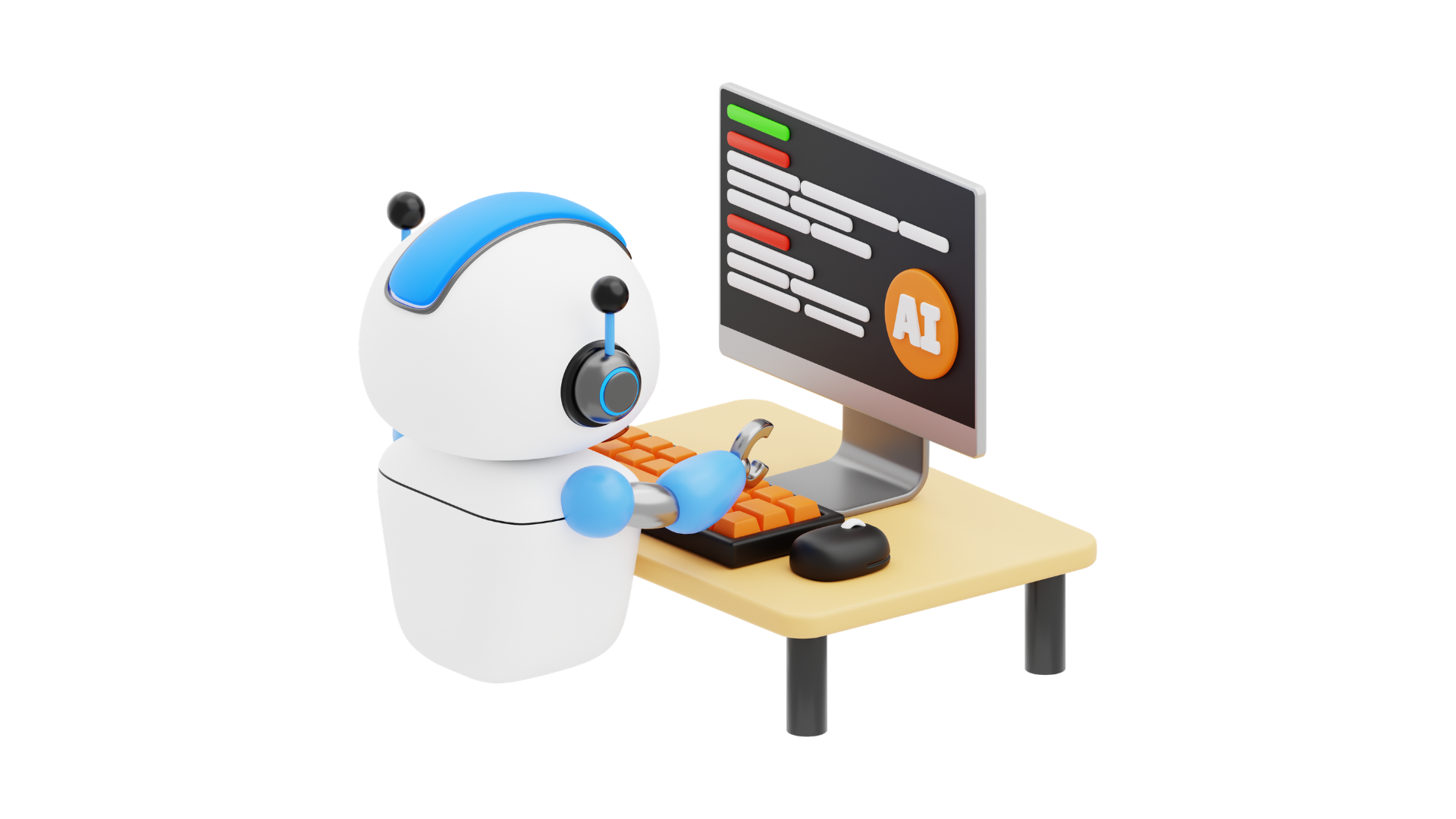
The accounting and finance industry has always evolved with technology. From manual ledgers to cloud accounting platforms, every technological advancement has improved efficiency, transparency, and accuracy. Today, another transformation is underway, driven by Artificial Intelligence (AI) and Machine Learning (ML).
These technologies are reshaping how businesses approach financial oversight, compliance, and reporting. In particular, audit and assurance services are undergoing a major transformation. AI is enabling auditors to analyze massive volumes of data in minutes, detect irregularities faster, and provide deeper insights into financial performance.
For businesses that rely on accurate financial reporting and compliance, whether established enterprises or companies seeking business formation services, this technological shift is creating new opportunities for smarter and more reliable financial management.
Let’s explore how AI and Machine Learning are changing the landscape of audit and assurance.
The Traditional Audit Process: A Time-Intensive Approach
Traditionally, auditing has been a detailed and labor-intensive process. Auditors often review samples of financial records, transactions, and documentation to verify compliance and accuracy.
Because of time constraints, auditors typically cannot review every transaction. Instead, they rely on sampling methods and professional judgment to detect inconsistencies or risks. While effective, this approach has limitations, especially in today’s digital economy where businesses generate enormous volumes of financial data every day.
Manual reviews also leave room for human error and may delay the identification of fraudulent or irregular transactions.
With AI-powered tools entering the picture, auditors can now analyze entire datasets rather than small samples. This shift is improving the reliability and effectiveness of audit and assurance services across industries.
AI Enables Real-Time Data Analysis
One of the most significant advantages of AI in auditing is its ability to process large datasets quickly.
Modern organizations generate financial data across multiple systems, accounting platforms, payment gateways, ERP systems, and banking networks. Reviewing this information manually can be extremely time-consuming.
AI systems can analyze thousands of transactions in seconds, identifying unusual patterns or anomalies that may require further investigation.
For example, machine learning algorithms can automatically flag transactions that deviate from normal patterns, such as unusual payment timings, duplicate invoices, or irregular vendor payments.
This capability allows auditors to focus their attention on areas that truly matter, rather than spending time manually reviewing standard transactions.
Better Fraud Detection and Risk Identification
Fraud detection is one of the most valuable applications of AI in auditing.
Traditional audits may identify fraudulent activity after it has already occurred. AI-powered systems, however, can monitor transactions continuously and identify suspicious activities almost instantly.
Machine learning models learn from historical financial data and recognize patterns associated with fraud or financial manipulation. Over time, these systems become even more accurate in detecting risks.
For example, AI can identify:
By identifying such anomalies early, auditors can investigate potential issues before they escalate into serious financial problems.
This proactive approach significantly strengthens the role of audit and assurance in protecting businesses from financial risk.
Automation of Routine Audit Tasks
Auditing involves numerous repetitive tasks such as data extraction, document verification, reconciliation checks, and transaction matching.
AI-powered automation tools can handle many of these processes automatically. This allows audit professionals to focus on strategic analysis and advisory work rather than manual administrative tasks.
For instance, AI systems can automatically:
Automation improves efficiency while reducing the risk of manual errors.
For growing companies, especially those newly established through business formation services, automated audit support can help maintain compliance without overwhelming internal finance teams.
Improved Accuracy and Reduced Human Error
Human judgment will always remain important in auditing, but AI significantly enhances accuracy by minimizing errors caused by manual data processing.
Machine learning systems can continuously monitor financial data and detect inconsistencies that might otherwise go unnoticed.
Additionally, AI systems maintain consistent analysis across all transactions. Unlike human auditors, they do not experience fatigue or oversight when reviewing large datasets.
This combination of machine precision and human expertise creates a stronger and more reliable audit and assurance process.
Businesses benefit from greater confidence in their financial statements, regulatory compliance, and internal controls.
Predictive Insights for Businesses
Another major advantage of AI in auditing is predictive analysis.
Machine learning algorithms can analyze historical financial data and identify trends that may impact future performance.
Instead of focusing only on past financial activity, auditors can now provide insights into potential risks and opportunities.
For example, AI-powered analysis can help identify:
These insights allow businesses to make more informed strategic decisions.
Continuous Auditing and Monitoring
In the past, audits were periodic events conducted annually or quarterly.
AI is enabling a shift toward continuous auditing, where financial data is monitored in real time.
This approach allows auditors to detect anomalies immediately instead of waiting until the end of a reporting period.
Continuous monitoring improves:
For businesses operating in highly regulated industries, continuous audit capabilities provide an added layer of assurance that financial records remain accurate and compliant throughout the year.
The Role of Human Expertise Remains Essential
While AI and machine learning offer powerful tools, they do not replace professional auditors.
Instead, these technologies enhance the role of audit professionals by allowing them to focus on higher-value activities such as risk assessment, financial advisory, and strategic planning.
Human auditors bring contextual understanding, ethical judgment, and regulatory expertise that technology alone cannot replicate.
The future of audit and assurance will be built on collaboration between advanced technology and experienced professionals.
Accounting firms that combine technological innovation with professional expertise are best positioned to deliver reliable and forward-thinking services to businesses.
Preparing Businesses for the Future of Auditing
As AI adoption increases across industries, businesses must also adapt their financial processes and systems.
Companies should consider:
Organizations that prepare early for these technological changes will benefit from stronger compliance, improved financial visibility, and better decision-making capabilities.
For startups and entrepreneurs exploring business formation services, establishing technology-enabled financial systems from the beginning can significantly simplify future audits and regulatory requirements.
The Future of Audit & Assurance
AI and machine learning are not simply improving existing audit processes, they are redefining them.
With capabilities such as real-time monitoring, predictive analysis, automated reporting, and enhanced fraud detection, these technologies are helping auditors deliver deeper insights and stronger assurance to businesses.
As regulatory requirements become more complex and financial data continues to grow, AI-driven auditing will play a crucial role in maintaining financial transparency and trust in the global business environment.
Businesses that embrace these innovations will gain a competitive advantage through better financial governance and risk management.
To learn how to implement these rules for your business, get in touch with GJM & Co. We offer a wide range of services, including Financing, Taxation, Bookkeeping and Accounting Services, Business Formation, Payroll Management, and more. To know more, call us or email us at info@gjmco.com.